The neighbourhood is still a neighbourhood
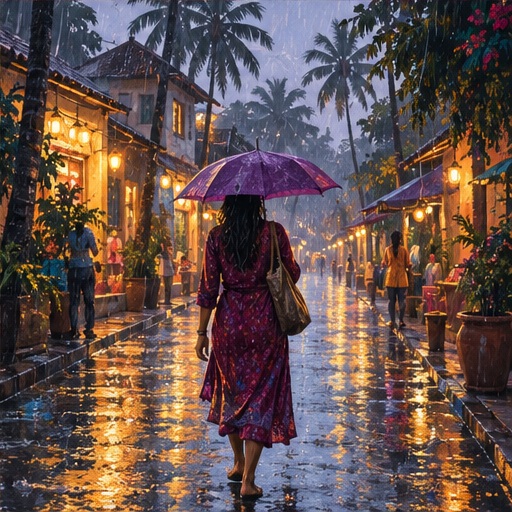
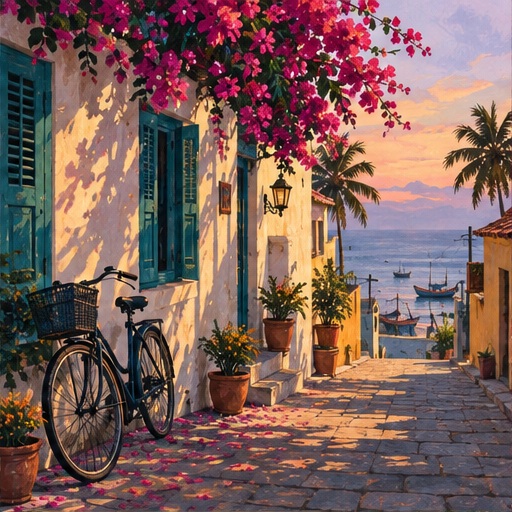
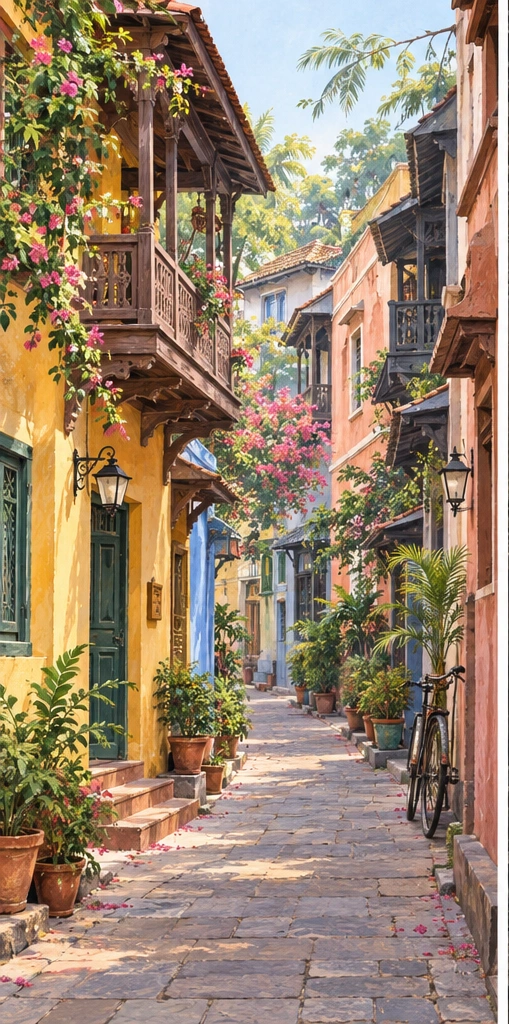
Khotachiwadi gives a Mumbai walk a different scale from a station facade or a grand museum. Its residential buildings and lanes are part of a living neighbourhood. That means the useful visit begins with restraint, not a plan to inspect every doorway. In Girgaon, the older houses bring Konkan-Portuguese details into the dense city: timber porches, overhanging balconies and narrow pedestrian lanes. These are the details to look for, rather than a single monumental facade. The neighbourhood is also associated with Mumbai’s East Indian community. Its residential character matters as much as its architecture.
Choose a short walk with room to notice
Look at rooflines, balconies, doors and the relationship between buildings and the lane. You do not need a complete architectural inventory to appreciate a smaller streetscape. A brief, attentive walk can fit the day better than a long photo session. Keep the route on ordinary public access and leave clear space for residents and deliveries. Do not block a doorway, sit on private steps or move a plant or vehicle to improve a composition. The lane has uses that continue during your visit.
Ask before involving a person
If you want a portrait, a conversation or a closer look at someone’s work, ask and accept no. Being visible from a street is not agreement to become part of your travel content. Avoid aiming into windows or private interiors. If a business or exhibition has a public visitor arrangement, use its current information. One open shop does not establish that neighbouring houses are visitor spaces. A guide’s enthusiasm should not replace the resident’s permission.
Keep the journey realistic
Khotachiwadi can be part of a Girgaon-area plan, but it is not beside every Mumbai attraction. Check the actual route and the last walk, with traffic, weather and the return in mind. Do not add it to a distant itinerary simply because it is described as a hidden place. For access needs, research the lane conditions and any specific destination before going. A picturesque description does not prove a smooth surface or step-free route. Keep the outing modest if the conditions are uncertain.
Let the walk end naturally
A residential heritage visit does not need a purchased souvenir, a perfect empty lane or a conversation with every resident. Notice what is there without asking the neighbourhood to perform an older version of itself. Leave when the walk has given you enough, take your rubbish out and continue the day elsewhere. Khotachiwadi’s value is not that it is untouched by modern life. It is that the buildings and ordinary life can be seen together, respectfully.
Sassoon Docks: working waterfront before art backdrop
Incredible India's art-walk guide connects Sassoon Docks with fishing work and the Koli community as well as street art. Visit with that order of priorities. Let workers move through, ask before photographing people and do not enter an operational area simply because an older art feature describes it. Murals and special exhibitions can change; check current public access rather than promising a permanent open-air exhibition.
Maharashtra Nature Park: an ecology stop, not a village walk
MMRDA describes Maharashtra Nature Park as a conservation and education site developed on a former dumping ground, alongside the Mithi River's mangrove ecosystem. This is a distinct choice from Khotachiwadi's residential lanes. The park's own visitor page lists daytime hours and public-holiday closures, with separate foreigner/NRI and camera charges. Check those terms before travelling, especially if arranging a group or guided visit.
Golfa Devi: ask about the temple, not a spectacle
The Shree Golfadevi Trust provides a direct source for the temple in Worli Koliwada. This is a place of worship within a living neighbourhood, not an attraction whose rituals belong to a tourist schedule. Confirm visiting arrangements with the temple, keep cameras away when asked and avoid interrupting worship. A respectful visit can be brief; there is no need to turn local belief into a performance.
Sewri and flamingos: sightings need more than a map pin
Incredible India includes Sewri's mangrove setting in its Mumbai visitor material, and Maharashtra Tourism separately presents flamingo watching as a nature activity. Do not assume that an old mudflat viewpoint remains accessible or that birds will be present on your date and tide. Ask for a currently authorised viewing option, keep out of mudflats and restricted port areas, and never approach birds to improve a photograph.
Do not plan around an unverified coastal ferry
A claimed Versova-to-Girgaon sightseeing ferry is not established by the sources checked for this guide. Keep it off the day's transport plan unless a current operator confirms the actual route, boarding point and return. A neighbourhood or waterfront walk should still work without a speculative boat connection. Use the named places here as separate choices rather than a single cross-city walking circuit.
Banganga: give a sacred tank its own visit
Mumbai City district's heritage page includes Banganga Tank in the Walkeshwar area. Choose it for a quiet look at a religious and neighbourhood setting, not as another decorative stop in a street-art tour. Keep clear of ceremonies, ask before photographing people and follow any instructions about the steps or water. Combine it only with places that fit your actual transport plan, rather than treating distant Mumbai neighbourhoods as adjacent.
Find out more about ZikPe
Explore ZikPe on its official website. Check the current product information and terms there before choosing a payment service for your trip.
Explore the ZikPe app ↗Sources and checks
Independently researched and updated 26 October 2026. Current access, weather, prices and opening arrangements must be checked before travel.