Two cave visits, two different days
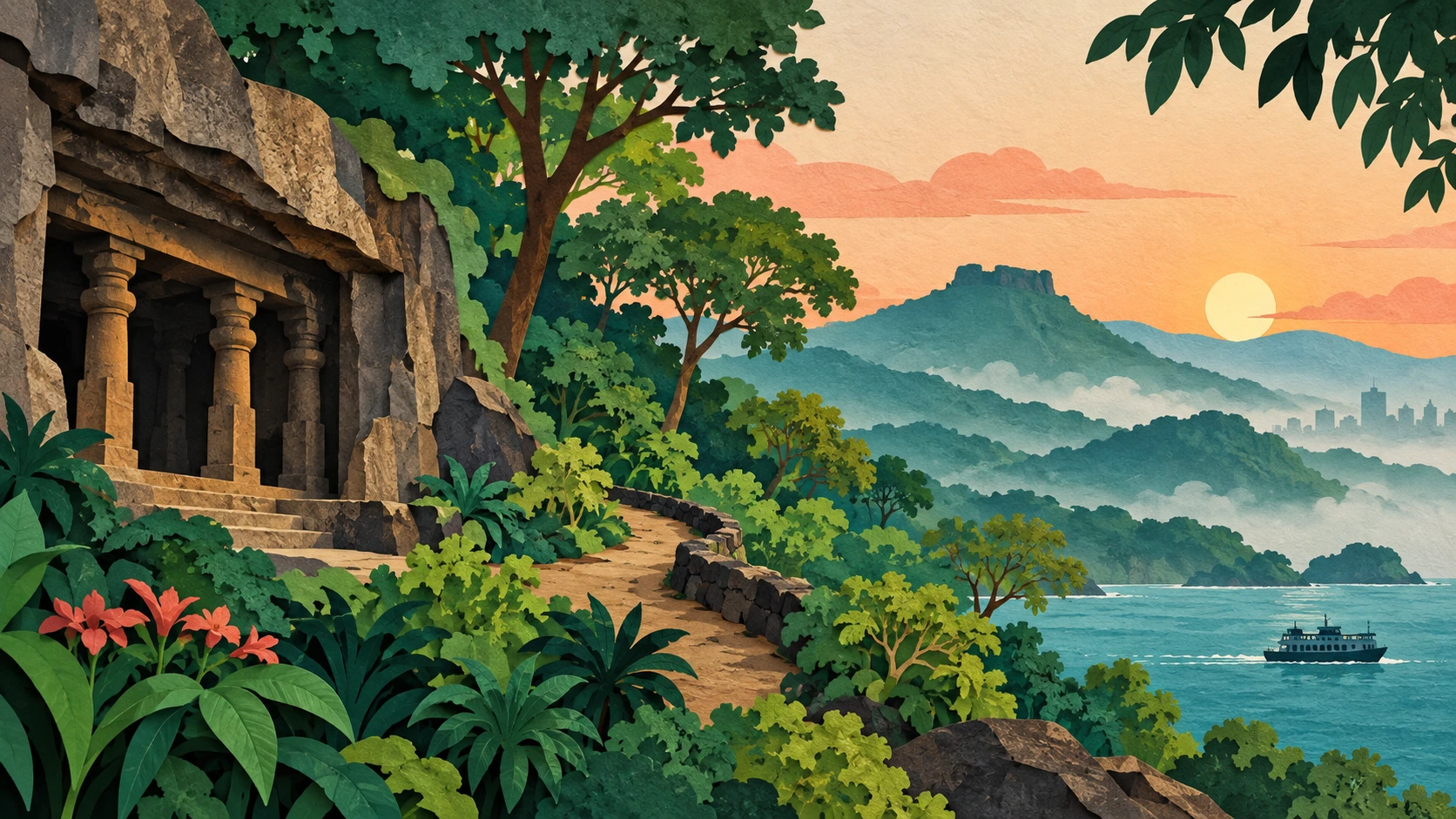
Elephanta and Kanheri are often grouped together because both involve rock-cut heritage. For a traveller, the bigger distinction is the journey. Elephanta is an island outing from the Gateway of India. Kanheri lies within Sanjay Gandhi National Park in the northern part of Mumbai. Choose one rather than trying to connect them in a single sightseeing sprint. The decision can be simple. If the boat journey is part of what you want, research Elephanta. If you want the park setting and a Buddhist cave complex without a sea crossing, research Kanheri. Neither removes the need to check walking, weather and the return route.
Elephanta: the crossing belongs to the visit
Elephanta's main cave is known for its sculptural treatment of Shiva. Give the carvings time once you arrive, rather than spending the whole outing on the boat photographs. A guide can help explain the sculptural programme, but agree the price and what is included before starting. Maharashtra's visitor information lists Monday closure. Confirm the current notice and ferry operation before going to the Gateway. Sea conditions can interrupt service, particularly in rough weather. A ticket or a sunny moment in the city is not proof that the return crossing will be comfortable or available as planned.
Do not confuse the landing with arrival at the caves
There is still an approach from the island landing to the cave area, including steps. The presence of a short train service does not mean it removes the final climb. If anyone in the group has difficulty with steps or heat, check the exact route before committing to the outing. Ask about the last return service when you buy the outward journey, and keep a margin rather than aiming to reach the jetty at the final possible minute. Carry what you need, secure loose food around wildlife and keep litter with you. Follow current photography and restricted-area instructions inside the caves.
Kanheri: park entry and cave access are separate questions
Kanheri's Buddhist spaces are within Sanjay Gandhi National Park. Prayer halls, rock-cut cells and the old water-management features give the visit a different character from Elephanta's major sculptural chamber. The park is part of the setting, but not every path is a public route to explore at will. Check both park entry and access onward to the caves, including any separate charges, internal transport and closing arrangements. Arriving at the park gate is not the same as arriving at Kanheri. Do not assume a safari, a nature walk or another park activity is included in the cave visit.
Choose the day you can enjoy
For Elephanta, make the ferry and return service the anchor. For Kanheri, make park access and the internal journey the anchor. In both cases, allow time for uneven ground, water and a rest, and do not climb barriers or approach wildlife to improve a photograph. If the weather cancels a crossing or an official notice closes an area, change the plan. A city museum or a shorter neighbourhood afternoon is better than trying to force access. The point of leaving central Mumbai is to encounter another part of its history and landscape, not to turn the journey into a contest.
When the real goal is a nature day
Caves do not have to be the centre of every outing. Sanjay Gandhi National Park is also a choice for a greener day within Mumbai, while Matheran offers a hill-station outing with a different approach and walking rhythm. Decide whether you want heritage, a managed park visit or time on a hill before choosing the journey. A place can be near Mumbai on a map and still consume most of the day in transport. Keep the return journey in the plan from the beginning. Your base in the city, the number of changes and the group's walking comfort matter more than a generic claim that a destination is an easy day trip. A shorter park visit that leaves everyone rested can be a better choice than a hill itinerary that finishes with a rushed descent.
Sanjay Gandhi National Park beyond Kanheri
The park's own website presents Kanheri, a butterfly garden, cycling and other visitor activities as distinct parts of the experience. That is useful when choosing what to ask about, but a website listing is not a guarantee that every activity runs on the day you arrive. Check the current visitor notice and the arrangement for your chosen activity rather than assuming a single gate ticket includes everything. For a nature-led visit, ask which public routes are open and whether a guided walk needs a separate booking. Stay on the permitted route and follow park instructions around wildlife. Do not walk into a forest trail simply because a photograph or an old itinerary made it look accessible. Keep food secure, leave plants where they grow and take litter out with you.
Matheran: plan the approach, then the walking
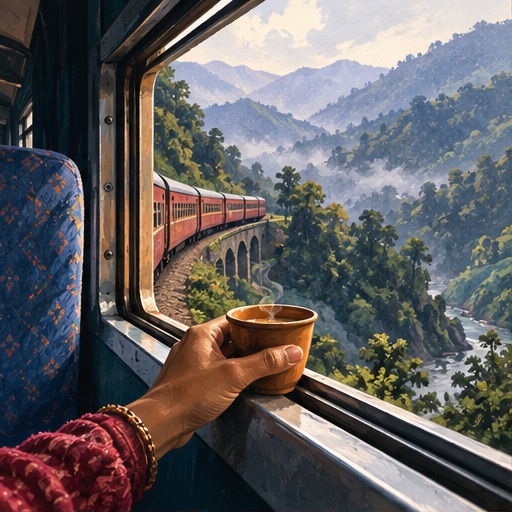
Maharashtra Tourism describes Matheran as a vehicle-free hill station, with the road approach stopping at Dasturi Naka. That makes the final stretch part of the outing, not a detail to solve after arriving. Check how your group will cover that stretch, especially with luggage, young children or anyone who finds uneven ground tiring. The visitor pages also describe the Neral connection and the hill railway. Treat those as routes to investigate, not a promise of a train at a particular time. Check current railway operation and your return connection separately. Choose a small number of viewpoints and enough time between them rather than using a long list as a walking target. In wet weather, a view can disappear into mist and a path can become slippery; the safer choice may be a shorter day or a changed date.
Karnala is a separate question from a cave outing
Maharashtra's visitor information identifies Karnala Bird Sanctuary and Karnala Fort as another nature-and-history option in the Raigad region. A sanctuary visit and a fort ascent are not interchangeable plans. If birdwatching is the aim, discuss the permitted sanctuary route; if an ascent is the aim, check current access, the weather and whether the group's fitness matches the route. Do not carry a cave-day estimate of effort over to a fort walk. Confirm entry, any guide requirement and the return arrangement with the responsible source before travelling. Leave distance and speed targets out of the plan until those details are clear. If official access information is uncertain, choose an outing you can verify rather than treating a social-media trail as permission.
Build one outing around one purpose
For sculpture and a sea crossing, start with Elephanta. For Buddhist spaces in a park setting, start with Kanheri. For a managed green break, investigate the park's current nature activities. For a hill day, investigate Matheran's approach and the walking your group can enjoy. Karnala needs its own sanctuary or ascent plan. These are alternatives to compare, not stops to string together in one day. A useful booking question is specific: what is included, which route is open, what can be cancelled and how do we get back? Avoid adding an adventure activity merely because it is advertised near the destination. Operator identity, safety arrangements and the exact activity need their own checks. Leave enough room for lunch and rest, and let a closure or a weather warning change the plan without turning it into a failed trip.
Alibaug: choose a coast day rather than a cave day
Alibaug gives this shortlist a coastal option. Maharashtra Tourism identifies Alibaug Beach and the nearby Kolaba Fort, with Kihim and Mandwa among the district's other coastal places. Choose one beach area and a realistic onward journey rather than treating the whole coast as a compact walk. Confirm ferry operations and the last return separately if arriving by water. Do not follow a low-tide walking suggestion to the fort without current local access guidance.
Karjat and Kondana: make the trail the main activity
For a countryside outing, Maharashtra Tourism identifies Kondana Caves near Kondana village and describes the Karjat side as one approach to Rajmachi. That does not make a cave trail and a fort trek the same level of outing. Pick the actual route, its current access and a turnaround time. A rainy landscape can look inviting while slippery rock and stream crossings make the walk unsuitable. Avoid adding an unplanned waterfall detour.
Matheran: Charlotte Lake or a viewpoint, not every point
The tourism department names Charlotte Lake, Louisa Point and Panorama Point among Matheran's attractions, and identifies Neral and Dasturi Naka as approach points. Allow for movement after the road journey ends. Choose a short walking circuit that fits your group, and verify current local transport and train arrangements. Do not depend on an old toy-train timetable or try to collect every viewpoint in one afternoon.
Lonavala and Khandala: a hills-and-food alternative
Lonavala offers a different outing from Mumbai's caves, with Khandala as a nearby hill-station pairing and chikki as a familiar local food stop. Select one accessible viewpoint or attraction and a meal, leaving time for traffic. Mist, heavy rain and crowd restrictions can remove the very stop you travelled for. Treat closed viewpoints, overflowing steps and roadside waterfalls as reasons to change the plan, not as challenges to bypass.
Vasai Fort: a separate coastal heritage day
Palghar district's own page describes Vasai Fort's Portuguese-era role, surviving walls and ruined interior structures. Choose it when you want a heritage walk rather than a ferry-and-caves trip. The official page's transport text is not a reliable enough basis for a precise last-mile instruction, so verify the route to the fort itself before leaving. Stay away from unstable masonry, and do not climb a ruin merely because a photograph shows someone on it.
Find out more about ZikPe
Explore ZikPe on its official website. Check the current product information and terms there before choosing a payment service for your trip.
Explore the ZikPe app ↗Sources and checks
Independently researched and updated 26 October 2026. Current access, weather, prices and opening arrangements must be checked before travel.