What vada pav actually is
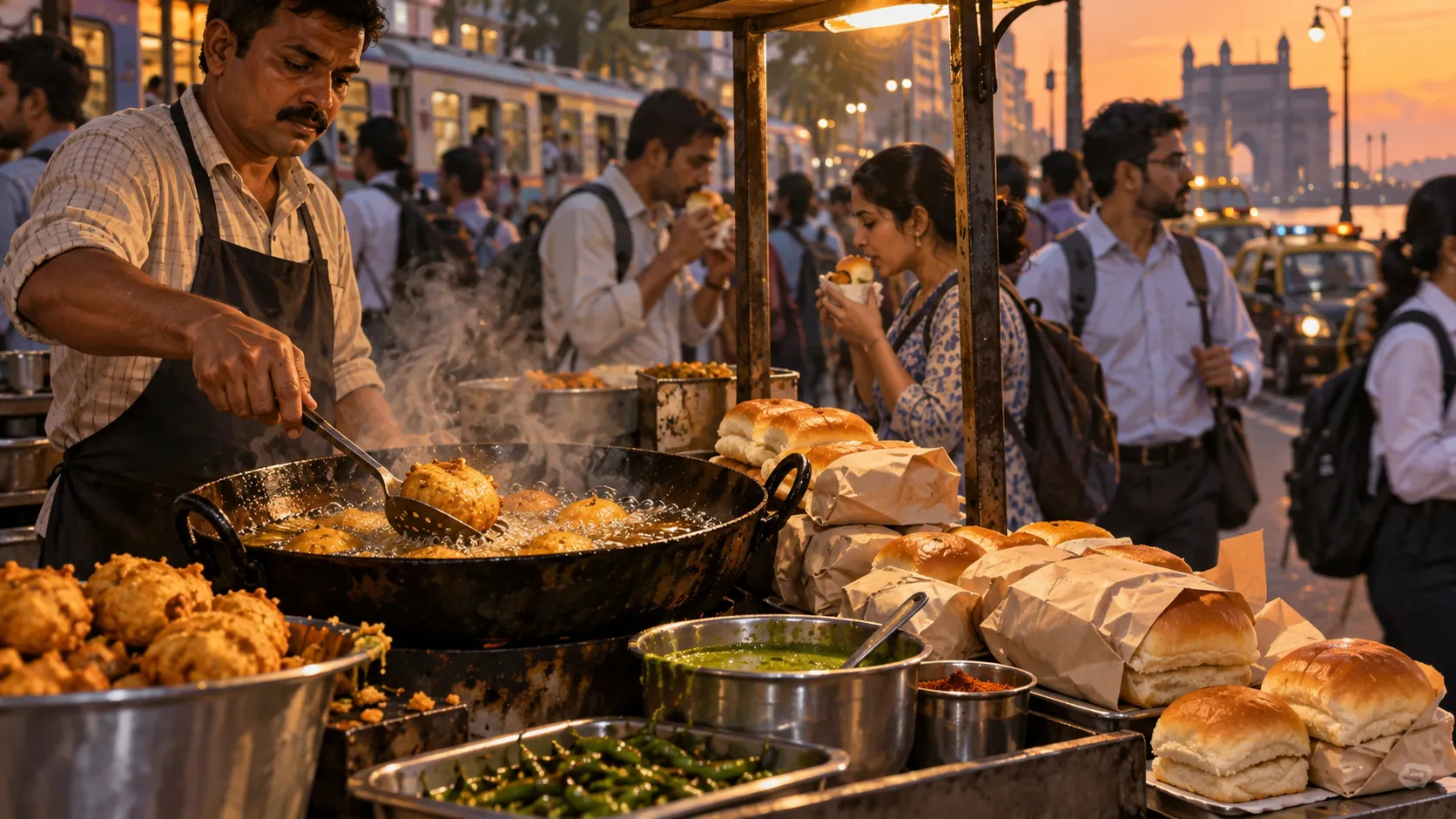
Vada pav is a spiced potato fritter, fried in chickpea batter and tucked into a soft bun with chutneys. It is cheap, filling and eaten standing up, often between a train and a meeting. Many Mumbaikars have a favourite stall and will defend it firmly.
Do not expect a sit-down meal. Think of it as a quick bite that tells you something about how the city moves.
Choose a stall with a queue
The simplest rule is the oldest: pick a stall where the fritters are frying fast and the line keeps moving. Fresh, hot vada is the point. A tray of vada sitting for an hour is a different snack.
Look near stations, colleges and busy junctions. Watch what the person ahead orders, and copy it. Asking a local for their own pick usually gets a warm answer.
How to order
Say how many you want and whether you want it with chutney. The usual set is a dry garlic chutney, a green chutney and sometimes a fried green chilli on the side. Ask for less spice if you are not used to it.
Carry small notes or use a QR code if the stall shows one, and check it works before you take the food. Prices are low, so there is little room for a bad surprise.
Eat it while it is hot
The pav softens quickly once it is filled, so eat soon after you get it. Keep a napkin or a bottle of water close, because the chilli can surprise you.
If you are sensitive to oil or spice, start with one and wait. You can always order a second, but you cannot take the first one back.
Make it part of a short walk
A good plan is a vada pav, a cup of chai and a slow walk through the nearest market lanes. The snack is a good anchor for an hour of looking around, not a full food tour.
Check the stall's opening hours, since some sell out by late evening. Bring a little patience in the monsoon, when streets are wet and crowded.
Respect the rhythm
Stalls work quickly, so decide before you reach the front. Move aside once you have your order, and put the paper in the bin. Small courtesies make the line friendlier for everyone.
If you want something calmer afterwards, a sit-down cafe is never far. The snack is the story, and the rest of the day can be gentle.
A few stalls, a few styles
Vada pav comes in small variations. Some stalls add a thin layer of dry chutney inside the bun, others press the bun on a hot griddle with butter, and some serve a cheese or schezwan version for people who want something different. Try the plain version first, so that you know what the others are changing.
If you want to compare, order one at two different stalls on the same day. The difference in chutney, bun and fry is a good small lesson in how much a simple snack can vary.
Think about timing and hygiene
The best time for vada pav is when the stall is busy, which usually means mid-morning, late afternoon and early evening. Avoid anything that looks like it has been sitting out for a long time. Use hand sanitiser before you eat, and carry a small bottle of water.
If you have a delicate stomach, choose a stall that looks clean and has covered chutneys. Eat slowly and give yourself a day without heavy fried food afterwards.
One last tip
Take the snack as it comes. A vada pav that is a little messy and a little spicy is part of the experience. If you enjoy it, ask where the vendor learned the recipe, and many will happily tell you the story of their stall.
Keep your expectations simple and your napkins handy.
Find out more about ZikPe
Explore ZikPe on its official website. Check the current product information and terms there before choosing a payment service for your trip.
Explore the ZikPe app ↗