Choose a celebration you can understand
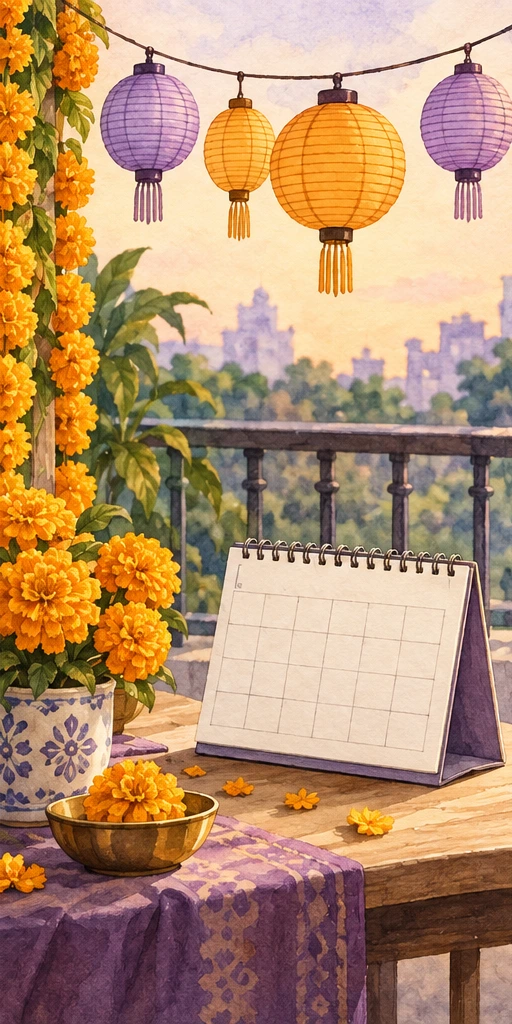
An Indian festival may include worship, family gatherings, processions, food and public performances, with different arrangements in different places. Choose the particular event you want to see rather than assuming one famous name describes a uniform experience. A public programme and a private religious or family gathering are not interchangeable. Research the visitor arrangements through the organiser or responsible local source, and be willing to observe without joining a practice you do not understand.
Verify the local date and programme
Festival dates can depend on a calendar and local practice, while a public programme may occupy only part of the broader celebration. Confirm the date, venue and visitor window for the specific year. An older itinerary is a lead, not a schedule. Build travel around the confirmed programme instead of an attractive generic festival month. Check whether a procession follows a route, whether an event needs a ticket and whether viewing areas have separate arrangements.
Leave space around the event
Book accommodation and transport with the actual location in mind. A central-looking hotel may be difficult to reach during road closures or crowds. Ask how the last journey and return will work for your event day. Avoid scheduling an immediate train or flight after a large gathering. You cannot guarantee when a crowd will clear or how long it will take to reach a pickup point. A quieter buffer is often more useful than one extra attraction.
Participation needs permission
Follow dress, footwear and photography instructions. Ask before photographing worshippers or performers at close range, and do not block a route or view while trying to improve your picture. A ticket does not grant access to every ritual or backstage space. Clarify optional offerings, guided services or workshop charges before agreeing. Keep children and anyone needing extra space in mind when choosing a viewing area. A busy celebration is not the right setting to improvise every decision.
Let a smaller visit be enough
Read current organiser and local notices before leaving, including changes to access or weather arrangements. Choose a part of the programme you can enjoy without pushing into a crowd or staying beyond your comfort. Leave the space clean and the return simple. The point is to see a celebration in its own setting, not reproduce every scene from a video. A well-chosen public visit can be meaningful without claiming you have experienced the whole festival.
Holi: choose colour play you can opt into
Holi is associated with colour, spring and varied local traditions. A visitor can choose an organised, clearly described celebration rather than stepping into the busiest street gathering. Consent still applies: ask before putting colour on another person and leave if the crowd or behaviour feels uncomfortable. Protect essential belongings, ask what colour materials are used and keep an easy way back. Mathura and Vrindavan have different programmes across several days, so a generic festival date is not an itinerary.
Diwali: a local evening, not one nationwide programme
Diwali can mean lamps, worship, family gatherings, sweets and public illumination, with important regional differences. Choose one locally confirmed public celebration or a modest market-and-lights outing rather than expecting every business to operate normally. Fireworks can affect air, noise and movement; choose distance and an indoor fallback if needed. Varanasi's Dev Deepawali is a separate observance, not another name for the same evening. Confirm the exact celebration before booking travel around a photograph.
Pushkar: distinguish the livestock fair from the pilgrimage
Pushkar's fair combines livestock trading, cultural programmes and a religious setting around the lake. Decide which part you want to experience and check that edition's actual programme. Trading activity and performances need not peak on the same day. Respect worship areas and ask before photographing people or animals at close range. A balloon ride, camel ride or tent stay is a separate operator and welfare decision, not a compulsory part of attending the fair.
Ganesh Chaturthi: a pandal visit and immersion are different plans
Maharashtra Tourism describes home and community installations, aarti and immersion processions as parts of Ganesh Chaturthi. A short visit to a community pandal can be a more manageable introduction than joining a dense immersion route. Check local access and queue arrangements, dress for a place of worship and follow the volunteers' directions. Do not block a ritual for photographs. Immersion days can change roads and transport, and they do not create permission to enter the water.
Hornbill: a curated cultural event, not every village at once
Nagaland Tourism describes Hornbill as a state-organised showcase of cultural performance, crafts, food and other activities. Go with curiosity about the particular programme rather than assuming one performance represents every community or that performers are available for unlimited portraits. Check the current edition, tickets, accommodation and entry requirements for your nationality and route. A festival day does not replace the separate permission and preparation needed for a village visit or a Dzukou trek.
Turn a season into a confirmed date
These examples are choices of experience, not a fixed booking calendar. Holi, Diwali, Ganesh Chaturthi and Pushkar involve changing calendar dates; Hornbill's current programme should also be confirmed with its organiser. Use the official current edition rather than an undated travel list, and check the local transport plan again close to the visit. Keep one contact and a meeting place for your group if mobile service becomes crowded.
Find out more about ZikPe
Explore ZikPe on its official website. Check the current product information and terms there before choosing a payment service for your trip.
Explore the ZikPe app ↗Sources and checks
Independently researched and updated 26 October 2026. Current access, weather, prices and opening arrangements must be checked before travel.