
Overcharging
Taxis and rickshaws without meters, souvenir shops and busy tourist spots can quote high prices. Agree a price before you start, use ride apps where they work and ask your hotel what a normal fare looks like. If a price feels wrong, walk away politely. There is usually another option. Keep your tone friendly. It works better than arguing.
Lost or blocked card
Save your bank's international number, and keep a backup card in another bag. If a card is lost, block it quickly through your bank's app or phone line, and note the last transactions. Use a second card or a bit of cash while you wait for a replacement. Take photos of the front and back of documents, and store them securely, not shared.
Stomach trouble
Change in food and water can upset anyone. Drink sealed or filtered water, eat at busy places where food is cooked fresh and go slowly with spicy dishes at first. Carry basic rehydration salts. If symptoms are serious or last more than a day or two, see a doctor or a clinic. Travel insurance with medical cover is worth checking before you go.
Delays and cancellations
Trains and flights can run late, especially in monsoon or winter fog. Leave buffer time between connections, check the status on official apps and keep key documents handy. Have a plan for a late arrival, such as a hotel that allows late check-in. Staying flexible keeps a delay from ruining a whole day.
Crowds and heat
Popular sights are busiest in the middle of the day and on holidays. Go early, carry water, wear a hat and take breaks in shade or a cafe. Book timed tickets online where they exist, from the official site. Rest is part of the plan, not a waste of time.
Scams and pressure
Be careful with strangers who approach you with offers of tours, gem shops or special tickets. Book through your hotel or trusted platforms and do not hand over passports or large sums. If someone pressures you, say no, and leave. You owe no one an explanation. Trust your instincts, and ask your hotel when in doubt.
Keep a small kit
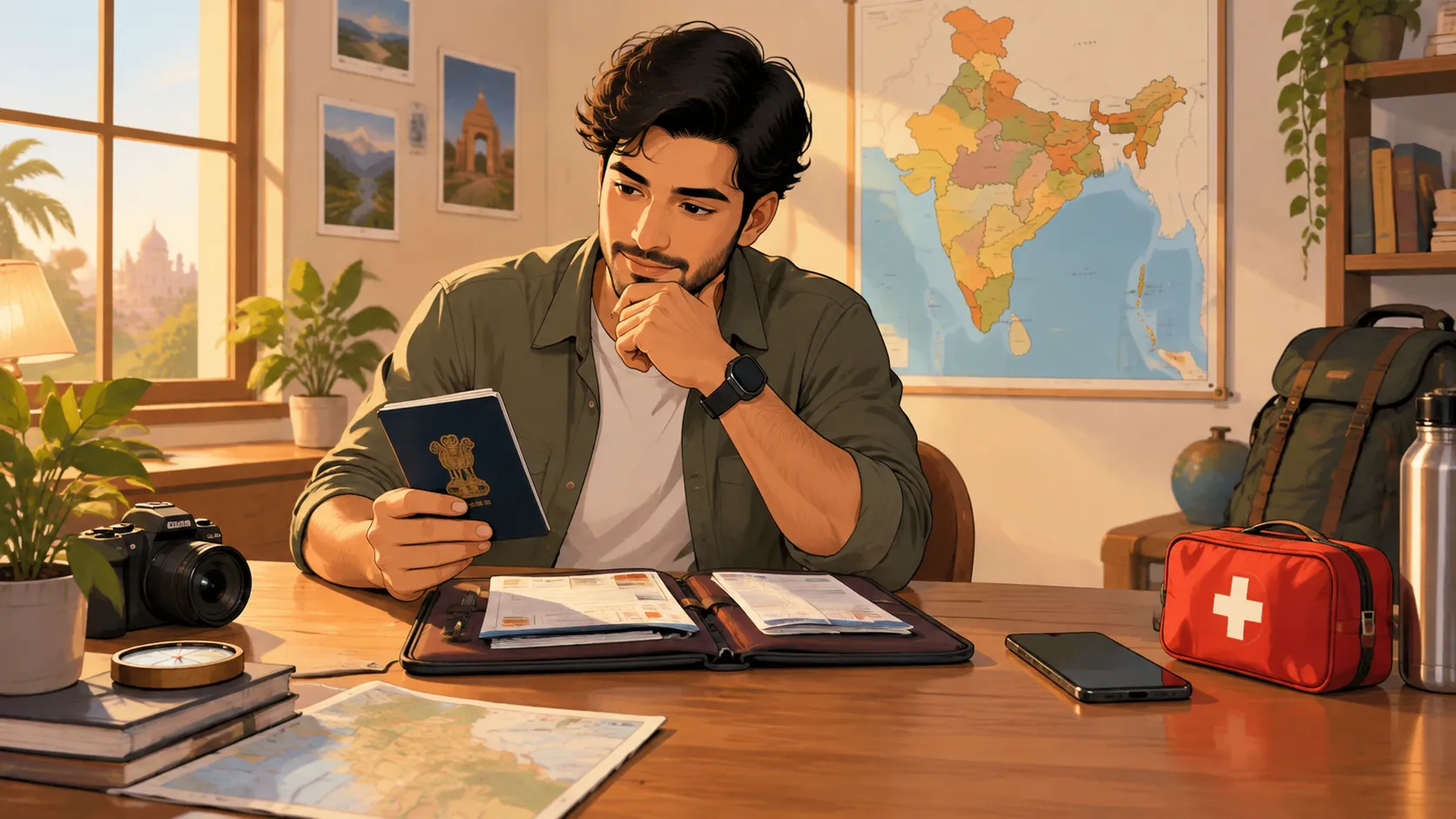
A small kit helps: rehydration salts, basic first aid, a power bank, a photocopy of your passport, a pen and a few small notes. None of it is heavy, and each item solves a common problem. Keep it in your day bag so it is always with you.
Know who to ask
Your hotel front desk is the best first stop for almost any question. For emergencies, save local emergency numbers in your phone before you arrive. Tourist information desks at big stations and airports can also help. Having the right number saved before you need it makes any problem smaller.
Keep your documents safe
Keep your passport in the hotel safe when you do not need it and carry a photocopy or a photo instead. Keep your visa details, insurance policy and flight booking in an offline note too. If a document is lost, contact your embassy or consulate and the local police, and ask your hotel to help with the steps.
A ZikPe note
Check ZikPe's official product information, eligibility and current terms before relying on it for a trip. Keep another payment method available and confirm that the merchant accepts the method you intend to use.
First-arrival confusion: verify the destination independently
Keep the first accommodation address and contact offline. If someone says the hotel is closed or your booking is invalid, contact it through the details you independently saved rather than the number that person supplies. Use an authorised transport desk or verified booking and compare the vehicle, driver and destination before setting off. A late arrival is a reason for a simpler plan, not a reason to accept a rushed replacement destination.
Emergency help: save numbers before you need them
India's official tourism page lists 112 for emergencies and 1363 for the tourist helpline. UK government travel advice also identifies 112 for ambulance, fire and police assistance. Save these along with your accommodation, insurer and consular contact. Check that your phone can make local calls and keep an offline copy of the address where you are staying. A help number is a safety net, not a guarantee of response time in every location.
Solo and evening travel: keep an independent exit
Share the broad plan with someone you trust, retain your own return option and leave if a situation becomes uncomfortable. Check the actual pickup point in a staffed, public setting where possible. Keep documents and payment methods separated, and do not hand over an unlocked phone or payment PIN to a stranger offering to fix an app. A guide, companion or hotel-arranged transfer may be worth choosing when it answers a specific access or comfort need.
Make a short pre-trip checklist
Verify entry documents through the current official immigration route, check your insurer's cover for the itinerary, prepare phone access and confirm the first stay. Carry essential medicines in their labelled packaging and ask qualified medical advice about personal health needs. Keep a backup payment method and a little accessible cash. The Journal's first-India-trip guide adds regional planning and arrival advice without claiming every destination has the same conditions.
Find out more about ZikPe
Explore ZikPe on its official website. Check the current product information and terms there before choosing a payment service for your trip.
Explore the ZikPe app ↗Sources and checks
Independently researched and updated 26 October 2026. Current access, weather, prices and opening arrangements must be checked before travel.